|
|
|

|
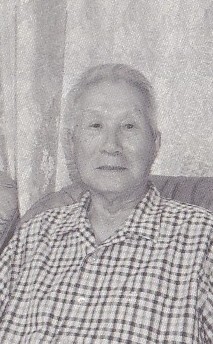
"The spectacle of those special (suicide) attacks has
remained in my memory for a long time."
(July 2015, eastern Ibusuki City)
|
|
|
Witnessed Bombs Strapped To Seaplanes (Suijōki ni shibaritsukerareta bakudan
mokugeki)
Researched and written by Shūji Fukano and Fusako Kadota
Pages 200-202 of Tokkō kono chi yori: Kagoshima shutsugeki no kiroku
(Special attacks from this land: Record of Kagoshima sorties)
Minaminippon Shinbunsha, 2016
In May 1945, Mitsuhiro Higashi [1] (89 years old), who lives in
eastern
Ibusuki City and was a 3rd-year student at Ibusuki Junior High School under the
prewar educational system, had the experience of sending off seaplanes that were
going to make special (suicide) attack sorties from Ibusuki Naval Air Base.
In those days the Nitanda River, which flowed through the city, was the
boundary between ordinary housing areas and the base. One evening after school
had ended when he went to the river's mouth to play with two classmates, at the
water's edge there were biplane seaplanes lined up in a row facing the sea.
At that time an officer on the other side of the river called out to them,
"Could you please assist?" Higashi says, "It seems that they lacked enough men
for sortie preparations. When we crossed the bridge and entered the base area,
we were instructed to hold tight onto the ropes that were tied to the floats so
that the planes would not float away with the tide."
A large-size bomb was wrapped tightly with wire between the two large floats
attached to the fuselage of each old seaplane. When they stood on tiptoes and
peeked into the rear seat of a plane, they could see a label attached with the
name of a Navy Ensign xx (deceased) and a basket placed there with apples and
bananas that appeared to be provided for a special attack. "Seeing these things,
we knew that it was a special attack plane."
One maintenance worker explained to him, "Enemy Grumman fighters in a
ladder-shaped formation are lying in wait just beyond Cape Sata."
In that secluded place, Special Attack Corps members in full-dress uniform
with each man wearing a hachimaki (headband) with a rising sun (red circle)
on front could be seen. They were receiving instructions from a high-ranking
officer. Higashi thinks back, "The squadron members' ages were not that
different than ours, so they were approachable."
When the seaplanes manned by Special Attack Corps members departed to sea off
the coast, they began their takeoff runs one by one toward the mouth of
Kagoshima Bay. "The lights of the flash signals sent by crewmen from the
planes that were taking off were beautiful. However, they all appeared to
struggle to take off due to the heavy bombs."
The first time that I saw with my own eyes the spectacle of special attacks
is even now vivid after 70 years have passed. Higashi said, "The bombs lashed to
the planes and the squadron members who were treated like gods while they were
living were shocking to the mind of a child. I certainly will never forget that
atmosphere of tragic heroism."
Translated by Bill Gordon
August 2026
Note
1. The pronunciation of his family name (東) could
not be verified. Both "Higashi" and "Azuma" are common pronunciations for 東 when
used as a family name.
Related Web Page
|
